

Hear from Our Customers
You’ve seen the dark spots. Or maybe you just smell something off every time you walk into the basement. Either way, you’re wondering if it’s mold—and if it is, how bad it really is.
That’s where professional mold testing comes in. We don’t guess. We use moisture meters and thermal imaging to track down where water’s getting in. We collect samples from the air and surfaces. Then we send those samples to a lab that identifies exactly what type of mold you’re dealing with.
What you get is a report that tells you what’s there, where it’s growing, and what needs to happen next. No more wondering if that patch behind the washing machine is dangerous. No more lying awake worried about your kids’ allergies. Just real information you can act on.
In Pineville and across Bucks County, we’ve seen how quickly a small moisture problem turns into a bigger one. Homes here deal with humid summers, older foundations, and plenty of basements that weren’t built with modern waterproofing. If you’ve got mold, you’re not alone—and catching it early makes all the difference.
We’re based right here in Bucks County. We’re IICRC-certified, which means our team has been trained to industry standards for identifying and handling mold safely. We’re not a national franchise that shows up once and disappears. We live and work in the same communities we serve.
Pineville homes—especially older ones—are prone to the same issues we see throughout the county: foundation cracks, poor ventilation, and moisture that creeps in after heavy rain. We’ve tested hundreds of properties, and we know what to look for. When we show up, we’re not just running a checklist. We’re looking at your specific situation and giving you honest feedback about what’s happening and what it’s going to take to fix it.
You’ll get a callback within 24 to 48 hours of reaching out. We don’t make you wait a week to find out if your home is safe.
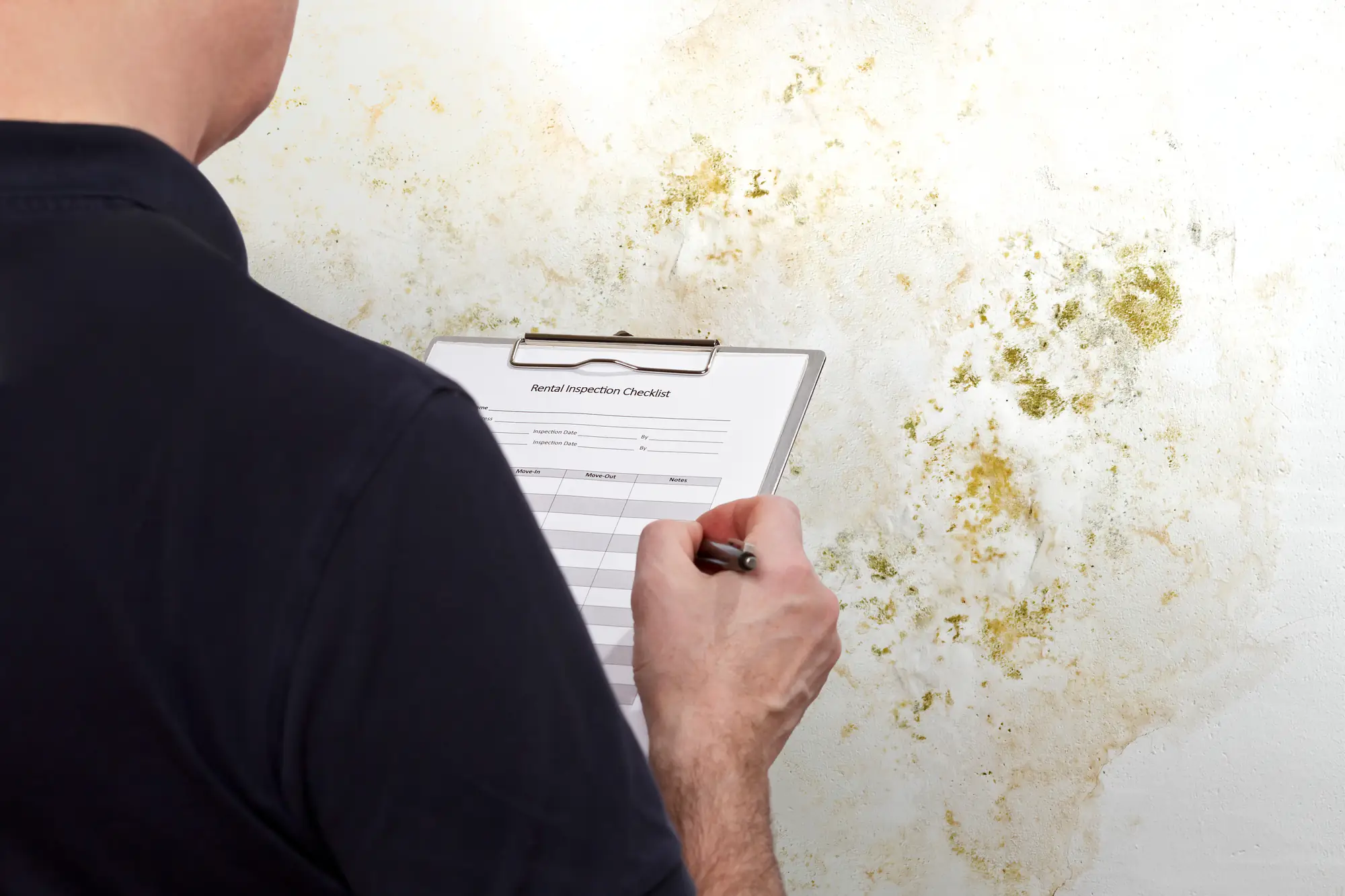
First, we walk through your property with you. You show us the areas you’re concerned about, and we look for signs you might not have noticed—discoloration, water stains, soft drywall, or that musty smell that won’t go away.
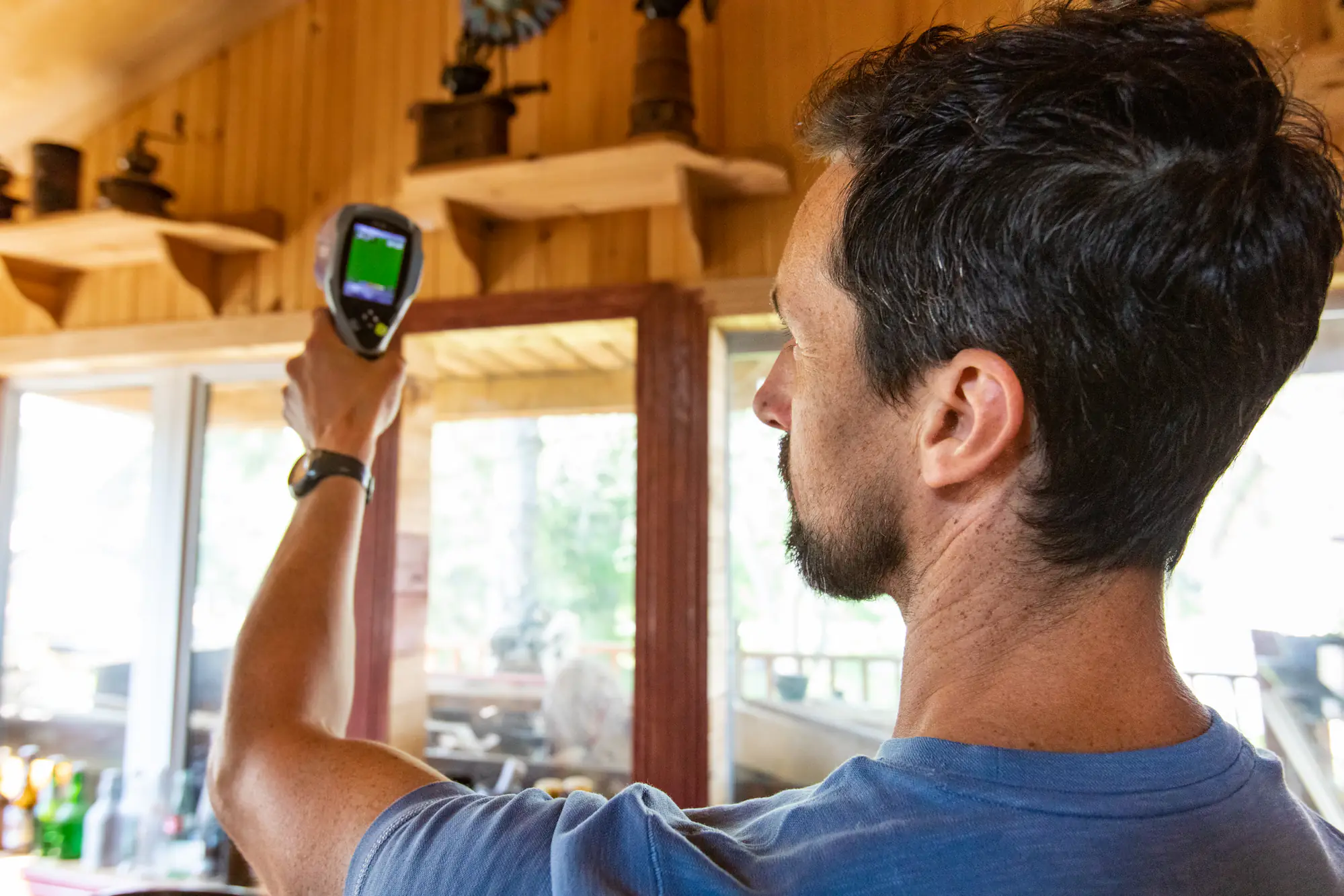
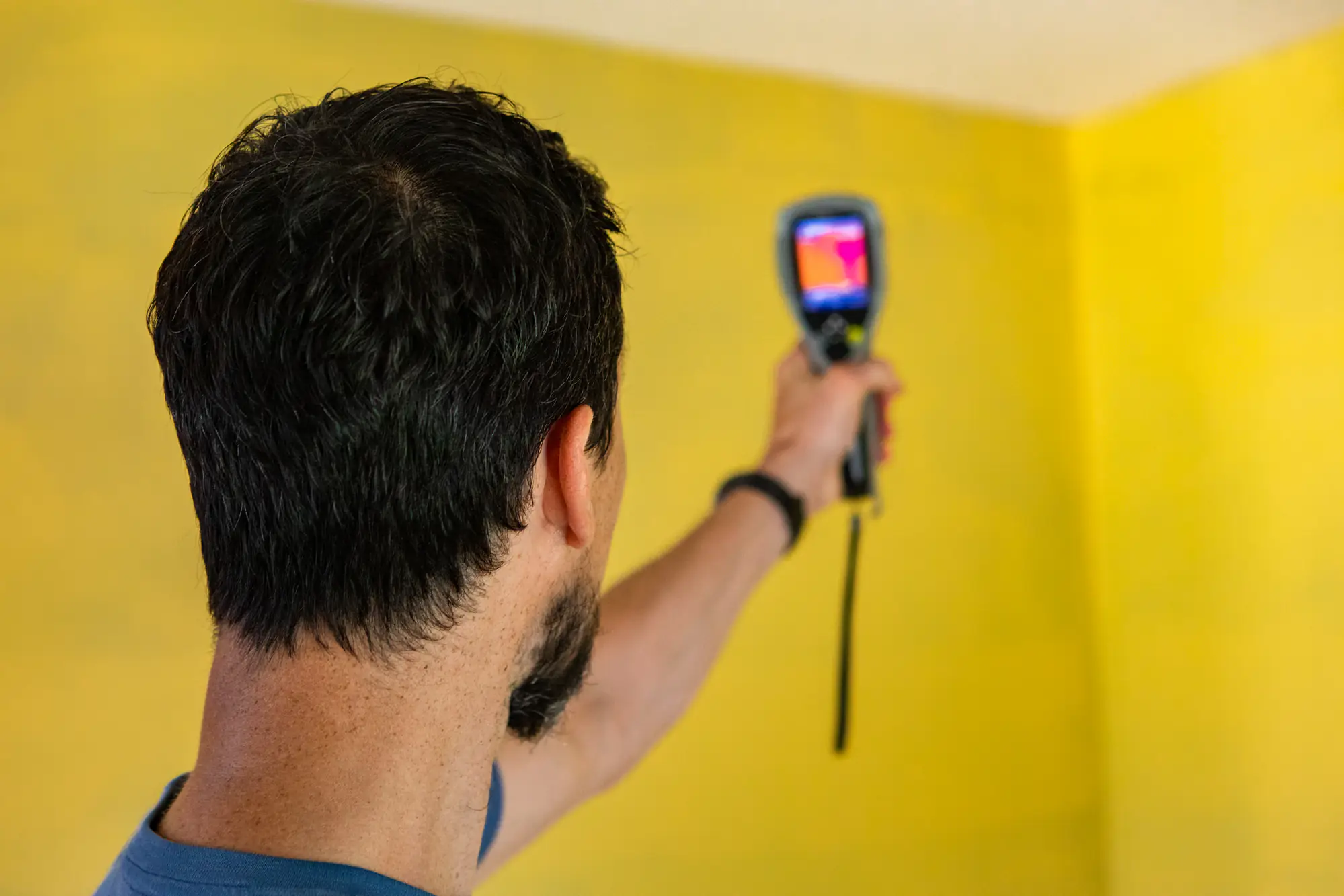
Next, we use moisture meters to measure humidity levels in your walls, floors, and ceilings. We also use thermal imaging cameras to detect temperature differences that indicate hidden water intrusion. Mold doesn’t grow without moisture, so finding the source is half the battle.
Then we collect samples. We might swab a visible area, take an air sample, or use a tape lift to capture spores from a surface. These samples go to a certified lab where they’re analyzed under a microscope. The lab tells us what species of mold is present and at what concentration.
Once we get the results—usually within a few days—we sit down with you and explain what we found. If there’s mold, we’ll tell you how serious it is, where it’s coming from, and what your options are for remediation. If the test comes back clean, we’ll help you understand what might be causing the smell or discoloration so you can prevent future problems.
You’re not left guessing. You get a written report, a clear explanation, and a plan.
Ready to get started?
Every mold testing service we do includes a full visual inspection of your property. We check basements, crawl spaces, attics, bathrooms, kitchens—anywhere moisture tends to accumulate. We’re looking for active growth, water damage, and conditions that support mold.
We also test the air quality in your home. Mold spores are microscopic, and even if you don’t see visible growth, they could be circulating through your HVAC system. Air sampling gives us a baseline reading of what you’re breathing every day. In Pineville, where many homes have older ductwork and limited ventilation, this step is critical.
Surface testing is another key part of the process. If we see something that looks like mold, we collect a sample and send it to the lab. This confirms whether it’s actually mold or just dirt, mildew, or discoloration from age. It also tells us if it’s a toxic variety like black mold or something less concerning.
After testing, you’ll receive a detailed report that breaks down our findings in plain language. It includes photos, lab results, moisture readings, and our recommendations. If remediation is needed, we’ll walk you through what that looks like—how long it takes, what it costs, and how we’ll make sure the mold doesn’t come back. We also give you prevention tips so you can keep your home mold-free going forward.
Mold testing typically costs between $300 and $600 depending on the size of your home and how many samples we need to collect. If you’ve got visible mold in multiple rooms or you want air quality testing in addition to surface samples, the price goes up slightly.
Here’s the thing: testing might feel like an extra expense, but it saves you money in the long run. Without testing, you’re guessing about what type of mold you have and how far it’s spread. That guesswork can lead to either over-treating a small problem or under-treating a serious one. Both cost more than just knowing upfront.
If you’re buying a home in Pineville, a mold inspection is one of the smartest investments you can make. Homes in Bucks County—especially older ones—often have hidden moisture issues. Catching mold before you close can give you negotiating power or save you from inheriting a $5,000 remediation bill.
If you can see mold growing on your walls, ceiling, or anywhere else, you probably don’t need a test to confirm it’s there. You already know. In that case, you can move straight to remediation.
But if you’re dealing with a musty smell, unexplained allergies, or water damage that’s been cleaned up but you’re not sure if mold started growing—that’s when testing makes sense. It tells you whether mold is present, what kind it is, and how widespread the problem is. That information shapes the remediation plan.
Testing is also critical if you’re buying or selling a home. Buyers want proof that the property is safe. Sellers want documentation that they’ve addressed any issues. A professional mold test gives both parties peace of mind and protects everyone legally. In Pineville, where real estate moves quickly, having that report ready can make or break a deal.
A mold inspection is a visual assessment. We walk through your home, look for signs of mold or moisture, and identify areas of concern. We’ll check behind appliances, under sinks, in crawl spaces—anywhere mold likes to hide. An inspection tells you if there’s a problem and where it’s likely coming from.
Mold testing goes a step further. We collect samples—either from the air or from surfaces—and send them to a lab for analysis. The lab identifies the species of mold and measures the concentration of spores. This is important because not all mold is equally dangerous. Some types are mostly cosmetic. Others, like black mold, can cause serious health problems.
Most of the time, we recommend doing both. The inspection finds the mold. The testing tells you what you’re dealing with. Together, they give you a complete picture. In Pineville, where homes range from brand-new builds to century-old properties, that complete picture is what helps us create a remediation plan that actually works.
You can, but those kits don’t give you the full story. Most DIY mold test kits only tell you if mold spores are present—which they almost always are, because mold spores exist everywhere. They don’t tell you what type of mold it is, how much is there, or whether it’s at a dangerous level.
Professional mold testing uses lab-grade equipment and certified analysis. We measure moisture levels, take multiple samples from different areas, and compare your indoor air quality to outdoor baselines. That comparison is key. If your indoor spore count is way higher than outside, that’s a red flag.
DIY kits also can’t find hidden mold. We use thermal imaging and moisture meters to detect problems inside walls, under floors, and in other places you can’t see. In Pineville, where a lot of homes have finished basements and older construction, hidden mold is common. If you’re serious about knowing what’s in your home, a professional test is worth it.
The actual inspection and sample collection usually takes one to two hours depending on the size of your home. We’re thorough, but we’re not going to be there all day. We’ll walk through every area of concern, take moisture readings, collect air and surface samples, and answer any questions you have.
Once we send the samples to the lab, results typically come back within three to five business days. Some labs offer rush services if you’re on a tight timeline—like if you’re in the middle of a real estate transaction—but standard turnaround is less than a week.
After we get the lab report, we’ll schedule a follow-up call or meeting to go over the findings with you. We’ll explain what the results mean, show you where the mold is growing, and outline your next steps. From start to finish, you’re looking at about a week to have complete answers. That’s a lot faster than waiting for symptoms to get worse or for a small problem to turn into a major one.
The most common types we find in Bucks County are Cladosporium, Penicillium, Aspergillus, and Stachybotrys—which is the black mold everyone worries about. Cladosporium usually shows up in damp areas like bathrooms and basements. It’s not the most dangerous, but it can still trigger allergies and respiratory issues.
Penicillium and Aspergillus are also common in homes with water damage or high humidity. These molds spread quickly and can cause problems for anyone with asthma or a weakened immune system. Stachybotrys—black mold—is less common but more serious. It grows on materials that stay wet for extended periods, like drywall or wood. It produces toxins that can cause severe health problems, especially in kids and older adults.
Pennsylvania’s climate doesn’t help. Humid summers and wet springs create perfect conditions for mold growth. Add in older homes with poor ventilation, and you’ve got a recipe for recurring problems. That’s why testing matters. Knowing what type of mold you have tells us how aggressive we need to be with remediation and what precautions to take to keep you and your family safe during the process.
Other Services we provide in Pineville